01
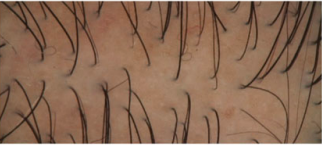
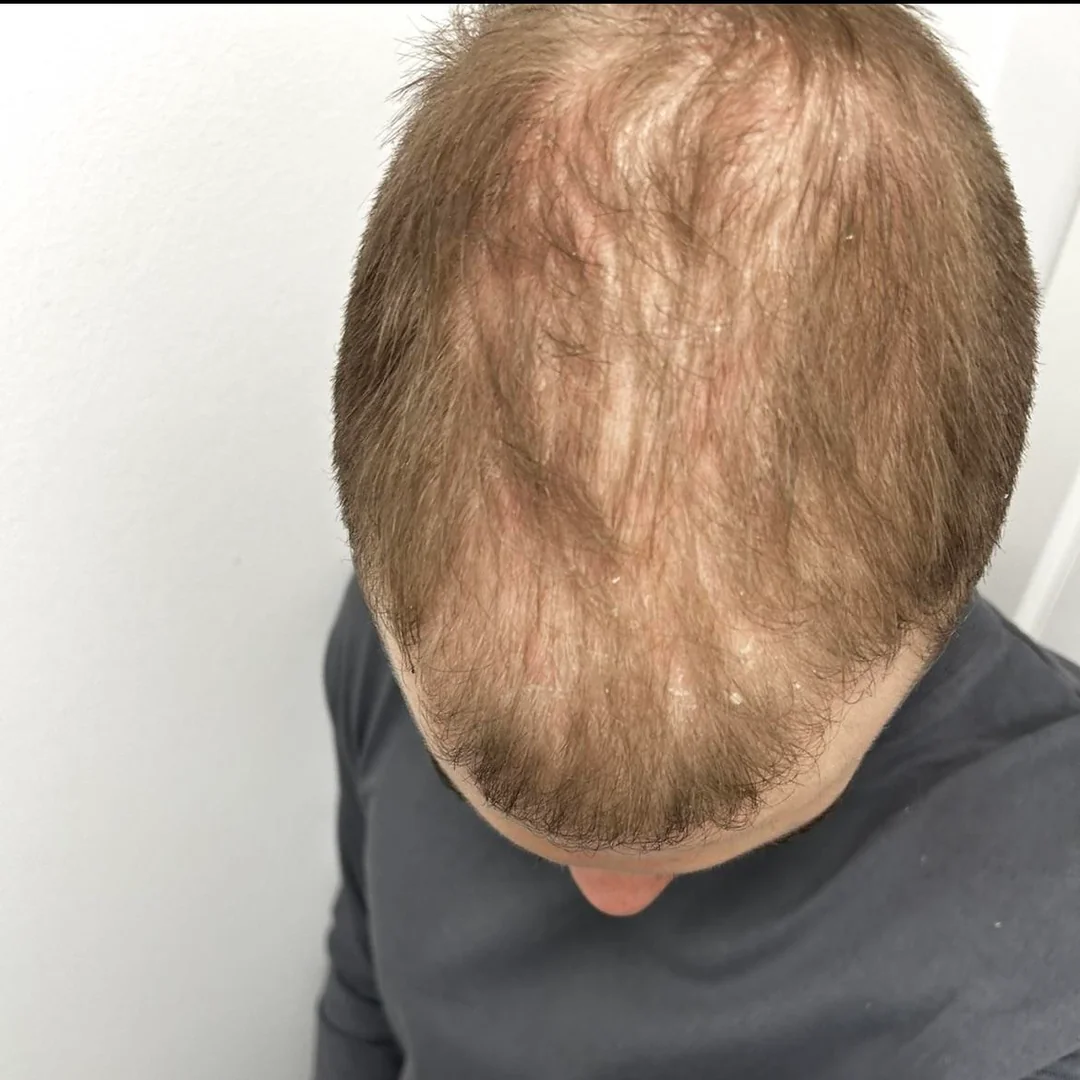
From your photo to a part mask, a coverage heatmap, and an interactive 3D surface. Bring two visits together to explore what changed.
Trace the visible part, inspect scalp exposure, and explore its shape as a raised surface.
Click to shuffle. The analysis previews follow your photo.
Choose Overlap to blend both photos, compare the colored masks, and layer their 3D surfaces. Use the difference map to inspect local changes.

Separate visible scalp from hair to reveal the part and its fine edges.

Cool to warm colors reveal local scalp exposure on the same scale.
Height = local exposed-scalp fraction (0–1), exaggerated for viewing. This surface shows image coverage, not physical scalp depth.




 Evidence review 0118 min read
One new row in Kintor’s pipeline puts a Chinese dermatology company directly into Pelage’s scientific lane. The target is exciting. The human evidence is uneven. And the commercial route may be almost as interesting as the molecule.
Recently published and reviewed guides for understanding hair changes, treatment evidence, and more consistent progress tracking.
 01
Hope Medicine says Absci used its macaque-study assets without permission and built a misleading comparison around data that were never made public. The decks exist. So do the gaps. Here is the cleanest way to read the dispute without choosing a winner before the human evidence arrives.
 02
A neglected research molecule increased primary human outer root sheath cell activity, delayed follicle regression in mice, and produced a striking cartilage-regeneration signal in a separate rabbit study. The hair case is still preclinical, but the next experiments could be unusually informative.
 03
We build more than endpoints. Our engineers combine hair loss biology, machine learning, and practical AI implementation to create tools that clinics, practitioners, and patients can keep using.

Walk through a full Tricho Checkup, drop a macro/trichoscopy photo, and read the dashboard.

How to run a full-head Scalp Scan, pick the right photo angle, and review the pattern assessment.

Capture or upload a close-up of a single area and get a focused screening on that spot.

Measure individual hair shafts by hand to track miniaturization over time.
In your email, please include:

